





PMP® Risk Management
Identification, analysis, prioritisation, and mitigation of hazards are all part of project risk management. At every stage of the project, you must make sure to identify hazards. You must first outline the expected project deliverables in detail before you can manage risks. Create a very thorough project charter that should cover the project's vision, objectives, and goals, as well as its scope and deliverables.
Then have your entire team list every risk and rank them in order of importance. You may plot project risks with the help of the entire project team, stakeholders, and sponsors. It would be beneficial if you wrote down their suggestions for potential project pitfalls. Make careful to list all the risks that have been anticipated and rank them in order of importance. Then create a risk management plan to include the benefits and drawbacks of the project's risks as well as any mitigation strategies that will be used to lessen their impact. Set up frequent team meetings to keep an eye on dangers as the project progresses.
What are the seven elements of Risk Management Process?
- Planning risk management
- Identifying potential risk
- Analysing risk
- Prioritising Risk
- Assigning owner to the risk
- Responding to the risk
- Monitoring and controlling risk
[edit] Related articles on Designing Buildings
- As Low As Reasonably Practicable (ALARP).
- Avoiding disaster in existing buildings and infrastructure.
- Building Back Better: Resilience.
- Building services and health risk resilient buildings.
- CMA and IRM publish 2020 competition law risk guide.
- Code of practice for project management.
- Code of practice for programme management.
- Constraints.
- Contingency plan.
- Crisis communications.
- Design risk management.
- Facility security risk management plan.
- Game theory.
- How to use the Enterprise Risk Management guide.
- Incident reporting system.
- Interface risk in construction.
- Monte Carlo simulation.
- Project manager.
- Project risk.
- Reflections on 2021.
- Resource allocation in design and construction.
- Risk appetite.
- Risk assessment.
- Risk assessment: a quality perspective.
- Risk feedback.
- Risk management.
- Risk mapping.
- Risk register.
- Risk tolerance.
- Stakeholders.
- Systems approach.
- Third party dependencies.
- What is a hazard?
[edit] External links
- PMP official Youtube channel - https://youtu.be/zf7sNeEWHrY
Featured articles
Check out some of the best features and news from Designing Buildings as well as key stories from around the web.
Leaders in Learning for Practice Network

Call for conservation leaders in learning to register interest in new network.
The importance of early engagement
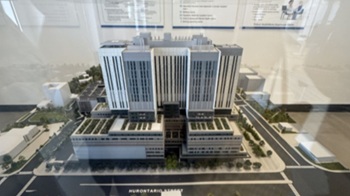
Construction lessons from the Trillium HealthWorks Experience Centre.
Mayors are to be given planning call in powers
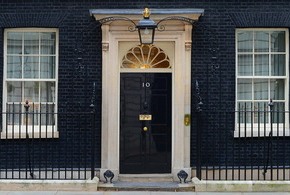
Mayors across England will be able to make the most important planning decisions.
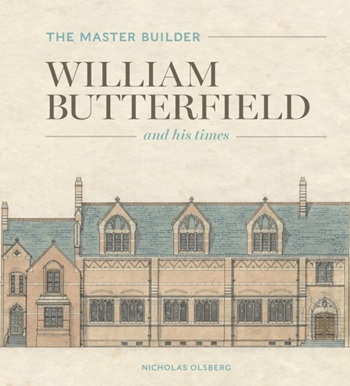
The Master Builder: William Butterfield and his times. Book review.
Why construction can't afford to ignore the skills gap.
Building Safety Regulator, 19 August

Gill Kernick appointed Independent Chair of Residents’ Panel.
Connecting knowledge, technology and conservation
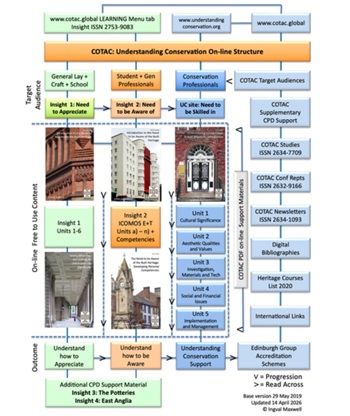
Building competence for the future of built heritage.
Building Regulations and Building Safety Act
CIOB publishes free advice for non-domestic clients.
Building Safety Newsletter from MHCLG.
An extraordinary record of steel engineering worldwide.
Households living near new pylons to save on bills.

ECA warns growth must not outpace grid capacity or skills.